14 Best Fruits to Eat for a Low Fructose Diet ...
Some individuals have a hard time absorbing fructose, which makes a low fructose diet the obvious answer to prevent gastrointestinal distress. Fructose malabsorption causes IBS-like symptoms such as gas, constipation, diarrhea, indigestion, pain, abdominal cramps, and bloating. Fruit is a wonderful source of vitamins, minerals, and quality carbs so try to eat these fruits approved for a low fructose diet instead of eliminating fruit all together.
A low fructose diet limits or avoids foods with excess fructose (foods containing more than half of their natural sugar as fructose), foods with high fructose (more than 3 grams), and foods that are a significant source of fructans (chains of fructose). For better understanding, let's take a moment and talk about fructose.
Fructose is a naturally occurring sugar found in fruits, juices, honey, and agave syrup. It can also be found in other forms, such as fructans, in some vegetables and wheat products (fructose sugars in a long chain). Another type of fructose found in processed foods is high fructose corn syrup (HFCS).
How long should you follow a low fructose diet?
A low fructose diet should be followed for two to six weeks, or until symptoms improve (including symptoms like abdominal pain, gas, belching, and bloating). Some people will notice an improvement in their symptoms within a few weeks, while others may require more time.
Once symptoms have improved, foods high in fructose and fructans should be reintroduced to the diet in small amounts or as tolerated until a personal tolerance is established.
Ideally, low fructose foods should be reintroduced one at a time, with a one to 3 day gap in between. The ultimate goal is to eat the most diverse and least restrictive diet possible while keeping fructose intake to a level that does not cause major symptoms. So, now that we know the basics, let's look at the list of best fruit to eat for a low fructose diet:
1. Oranges
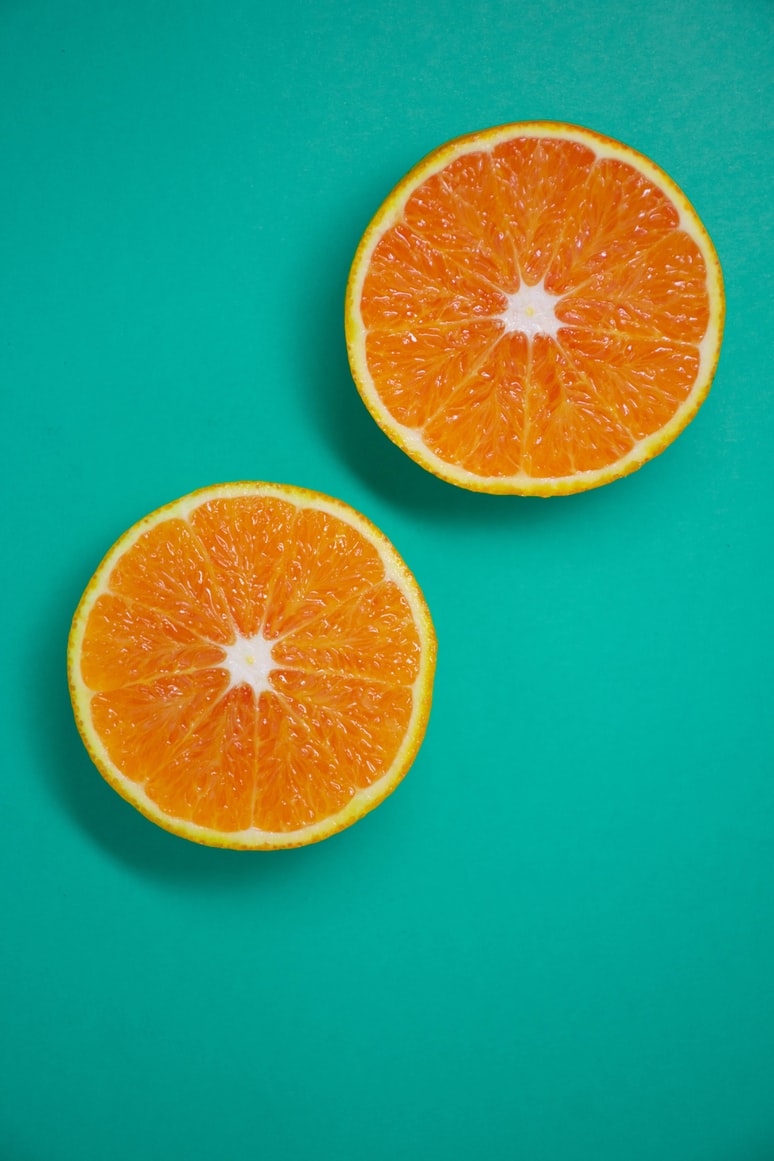
Oranges are one of the best fruits to eat on a low fructose diet. Most of the sugars found in oranges are simple to digest sugars and not hard to break down like fructose can be. Oranges are also high in water, fiber, and Vitamin C which all have digestive benefits.
2. Kiwi Fruit
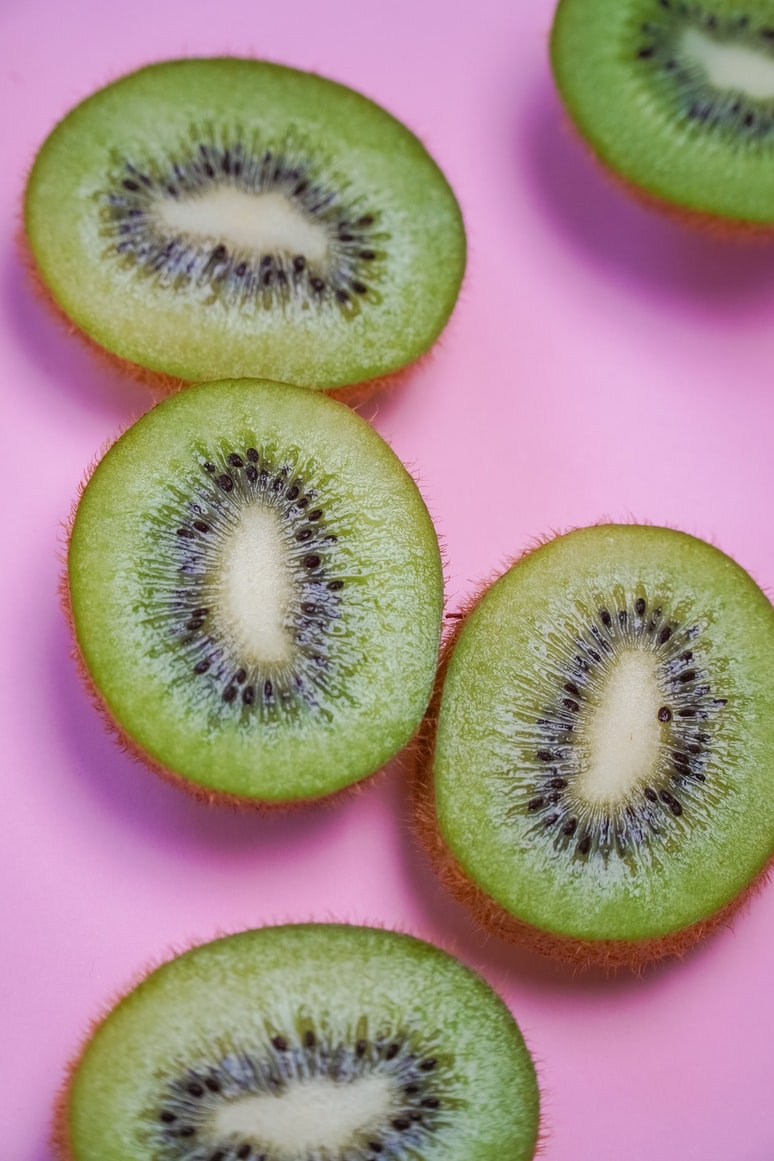
Kiwi is especially helpful for digestion since it’s been linked to reducing gas, bloating, and inflammation. It also has twice the Vitamin C of oranges for less than half the calories per fruit. Kiwi fruit is also high in fiber and lower in carbs than many other fruits.
3. Berries
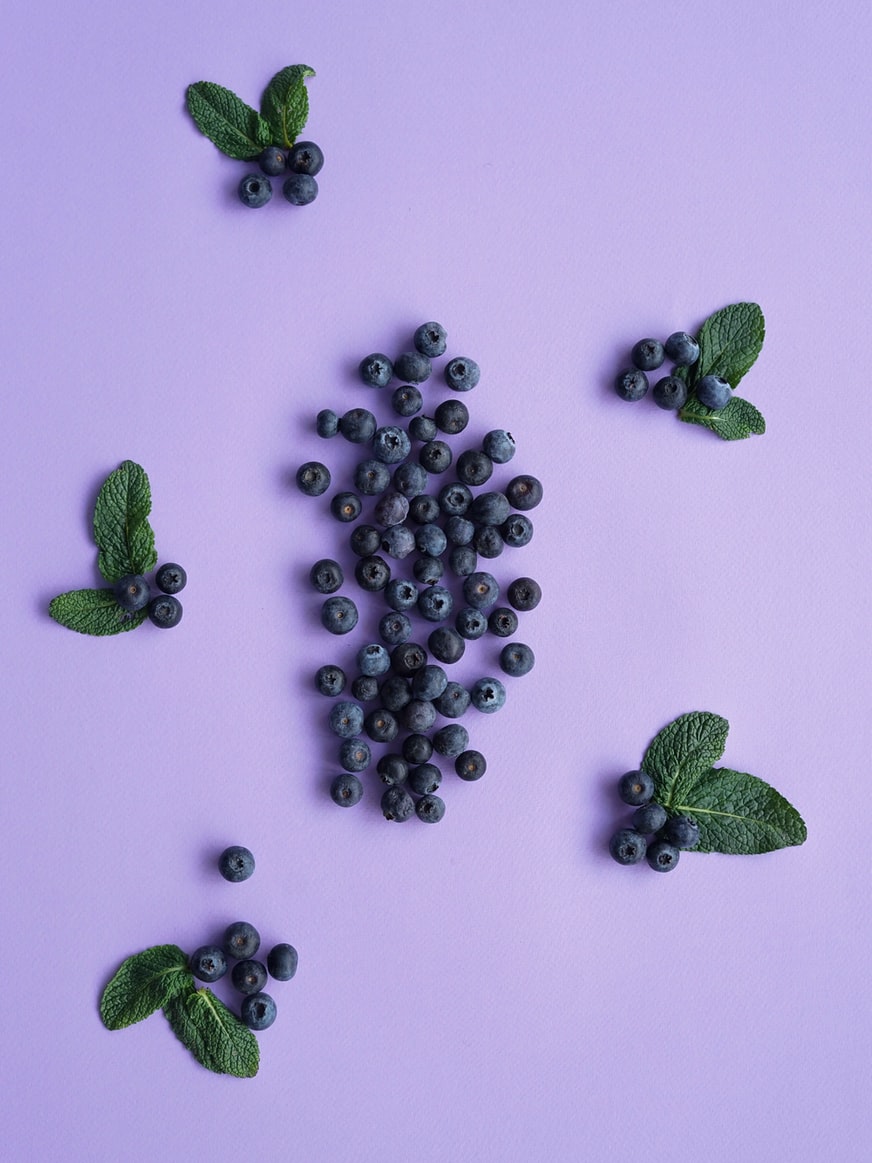
Blackberries and blueberries are especially helpful to the digestive tract since they’re high in fiber and help relieve gastrointestinal upset and inflammation. Blend them in a smoothie for even better digestive benefits or mash them into some well-cooked oatmeal or overnight oats.
4. Firm Bananas

Bananas can be incredibly helpful for an upset tummy. Not ripe bananas are actually hard on digestion since they're higher in starch, which can be hard for the body to break down. Yellow yet firm bananas help relieve stomach ulcers, though eating too many at one time may trigger gas. Have one or two bananas a day but space them out.
5. Cantaloupe
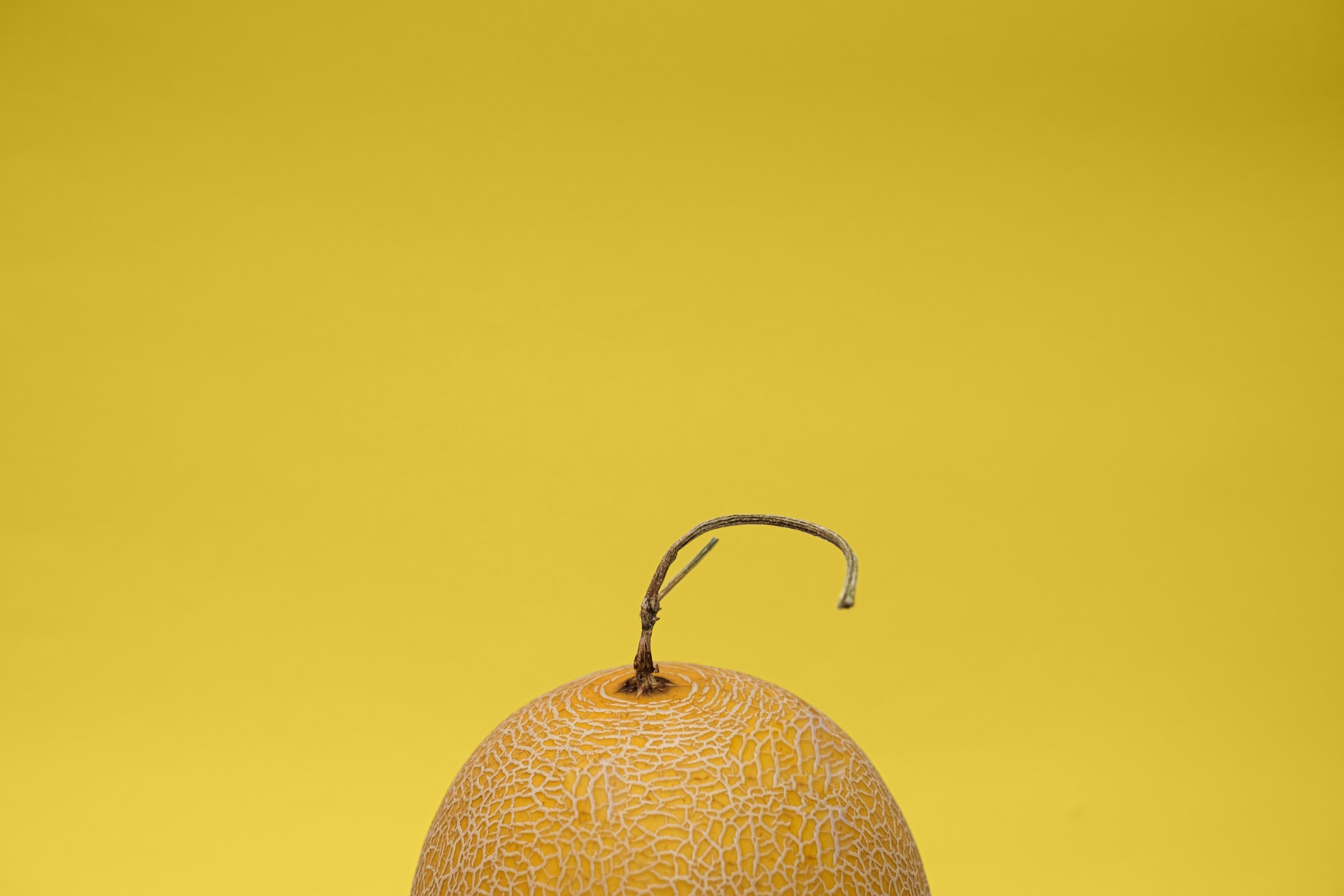
Cantaloupe is especially low in sugar and high in water content. It’s one of the most low-calorie fruits and one of the best for an upset stomach. Not all melons are equal, however. Watermelon is especially high in fructose so it should be avoided. Stick to honeydew and cantaloupe instead.
6. Papaya
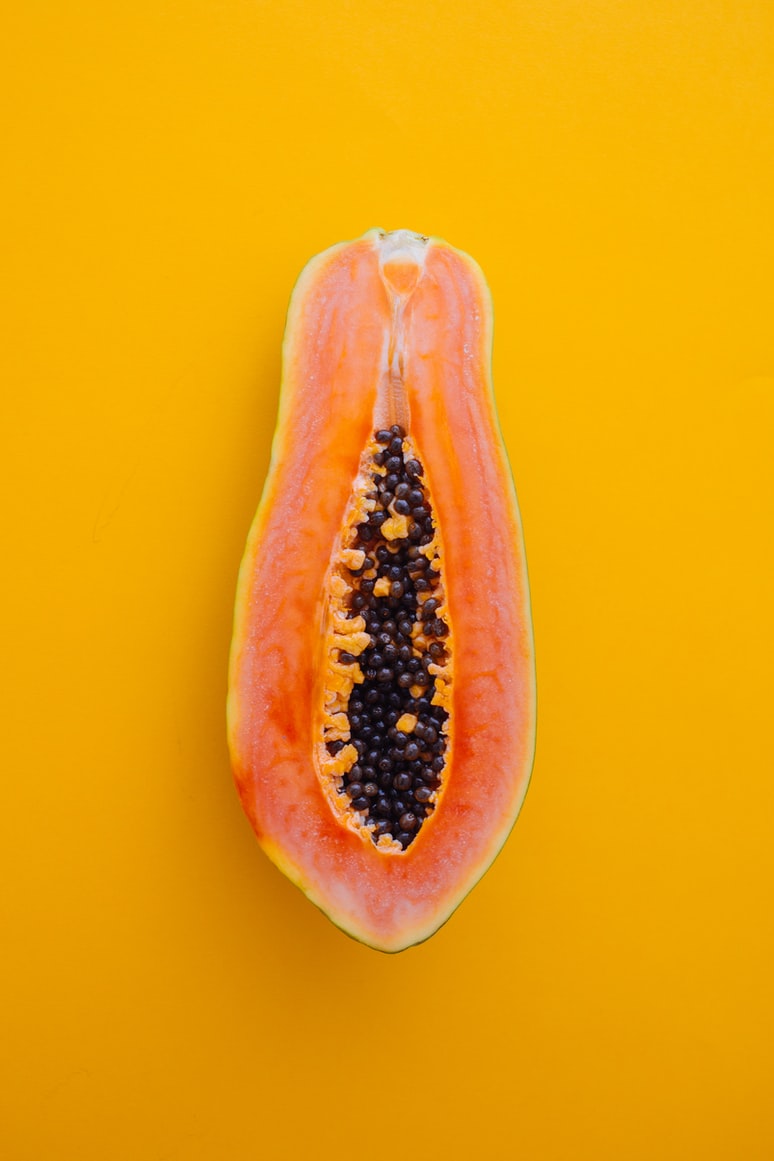
Papaya actually contains digestive enzymes itself, so it’s fantastic for an upset stomach and fructose intolerance. Papaya is also lower in sugar than other tropical fruits like pineapple and plantains. I like the frozen papaya purees which you can use in smoothies, dairy-free milkshakes, and more. You can also eat whole papaya sliced or pureed in any recipe you choose.
7. Pumpkin
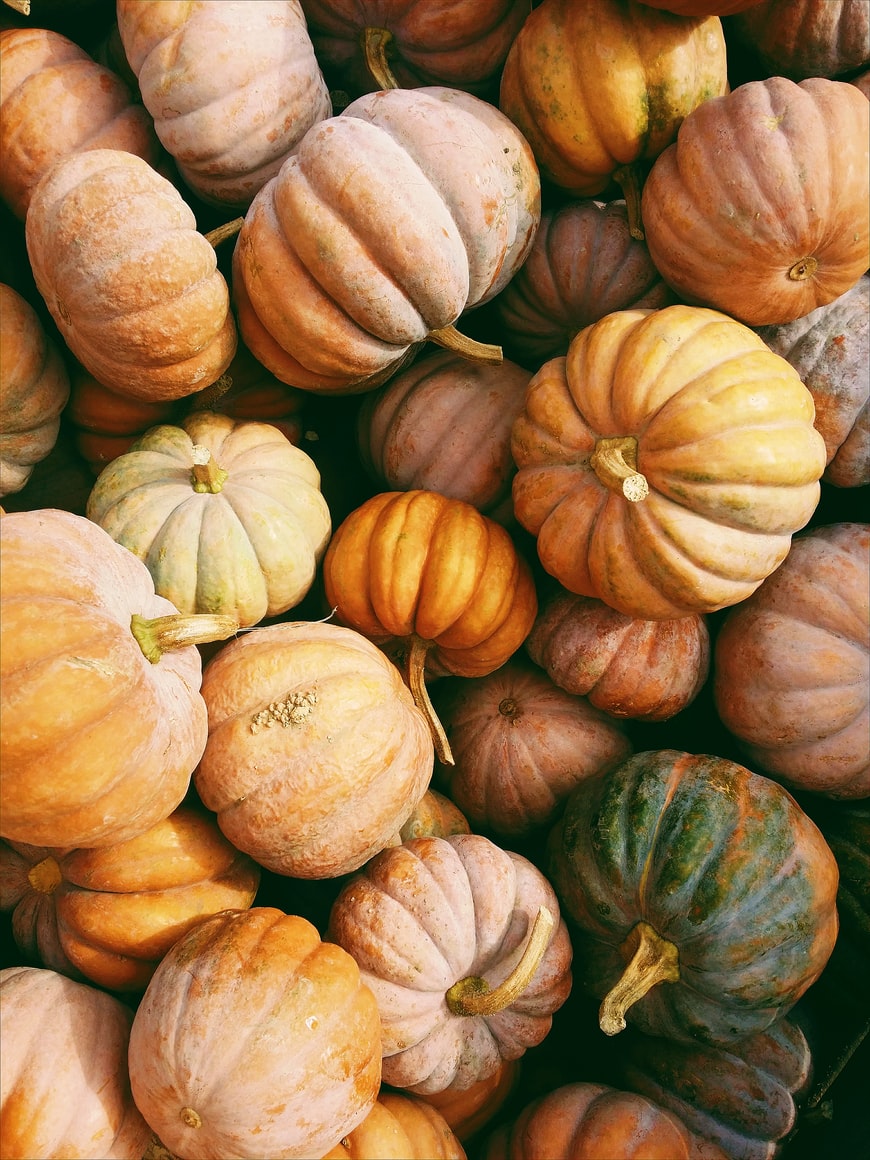
Pumpkin is actually a fruit, not a vegetable. It’s also lower in sugars than any other common fruit and especially rich in water and fiber. If you suffer gas and bloating, along with constipation, canned pumpkin is your best friend! Fresh is great too, though a bit more troublesome to cook and puree for everyday use.
8. Avocado
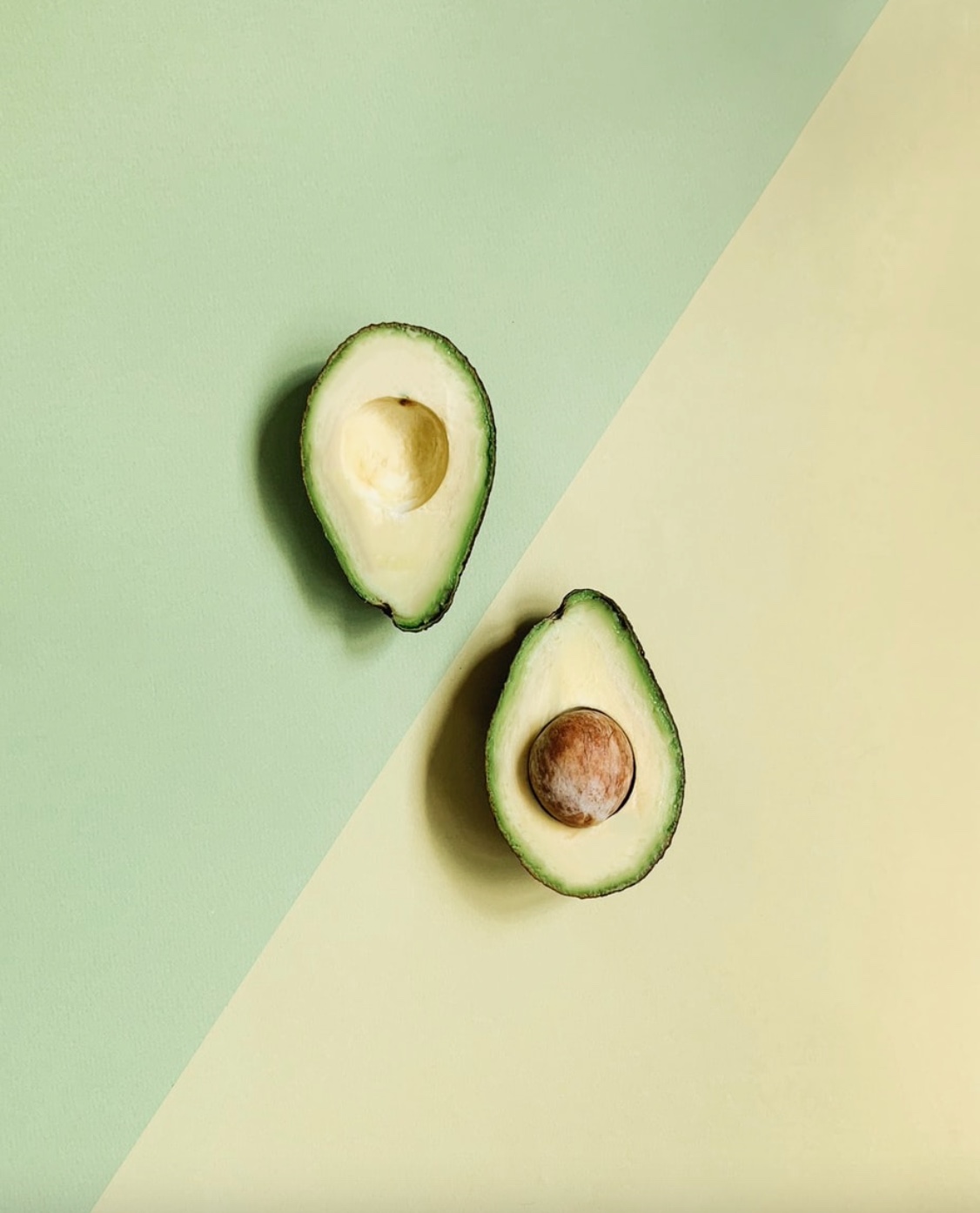
Avocados are also a fruit, not a veggie and are virtually sugar-free. They are high in fat though, so have ¼ avocado per serving for digestion and calorie control purposes. Avocados are especially rich in water and soluble fiber, which are two important nutrients to keep IBS symptoms at bay.
9. Acai
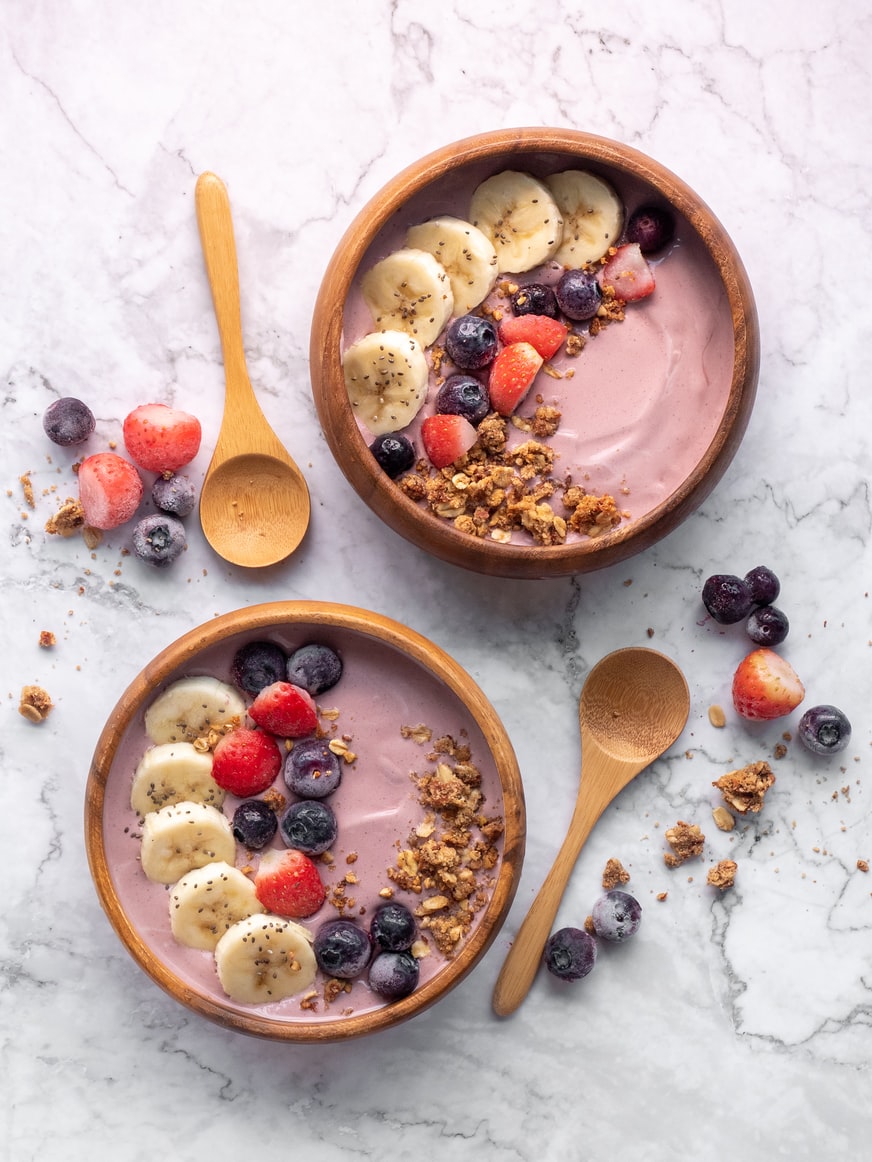
Acai fruit is my favorite fruit to eat on a low fructose diet. It’s sugar-free so it’s naturally fructose-free. I like using the frozen acai puree packs. Acai is also a rich source of omega 3s, fiber, and contains more antioxidants than any other fruit aside from maqui berries.
If you’re on a low fructose diet, you’ll need to eliminate apples, pears, cherries, watermelon and dried fruits, since those are some of the worst offenders. Some people tolerate green apples since they’re lower in sugar than red varieties and applesauce is also an option, though not tolerated by everyone.
10. Clementine
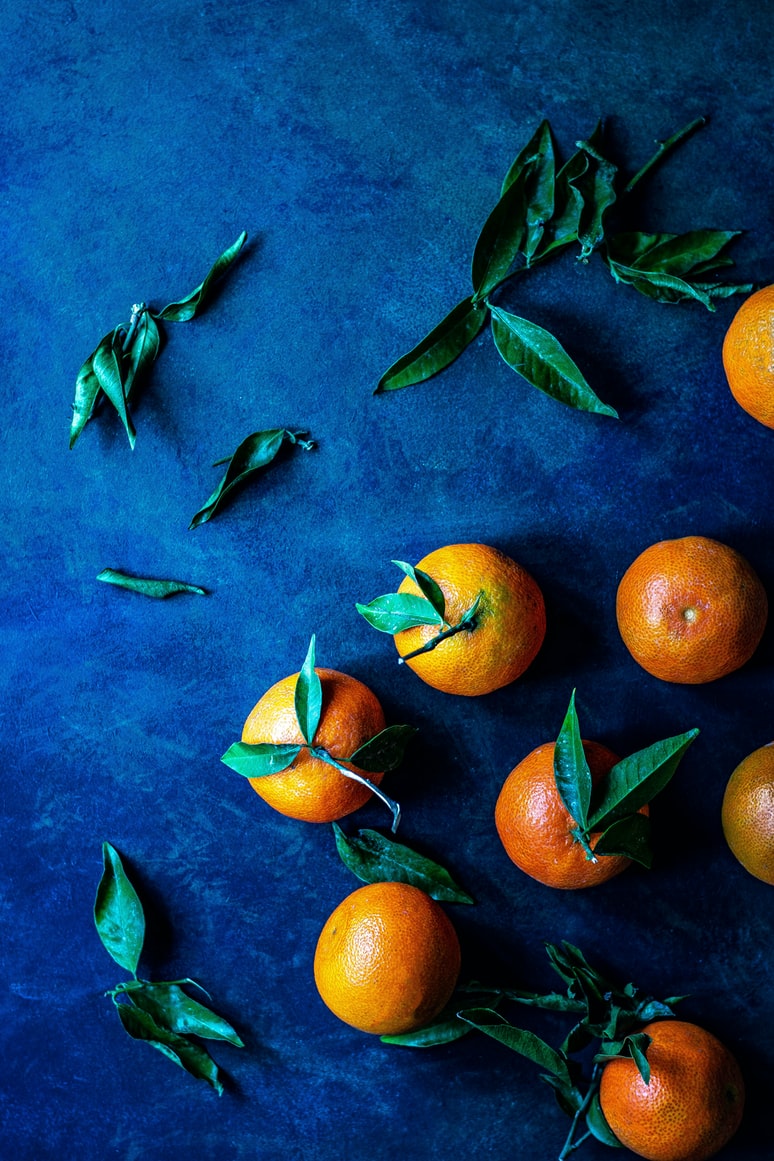
A tangor is a citrus fruit hybrid of a willowleaf mandarin orange and a sweet orange named after Clément Rodier, a French missionary who discovered and propagated the cultivar in Algeria. Smaller and easier to peel, clementines make a perfect snack or addition to a fruit salad. Rich in potassium, it's a perfect fruit to add to your low fructose diet.
11. Coconut
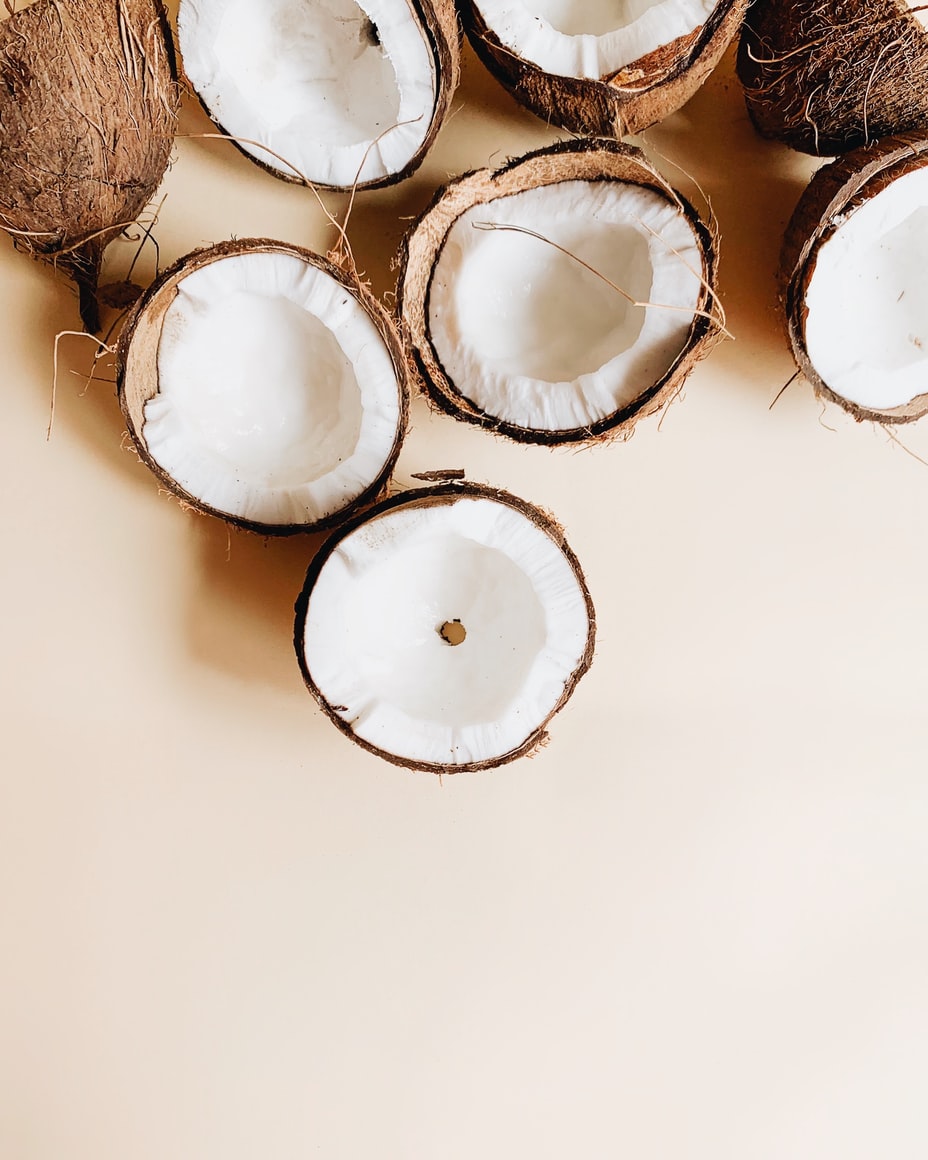
Coconut is a wonderful addition to a low fructose diet, it is high in fiber and MCTs and may have a variety of health benefits. From improved heart health, weight loss to improved digestion, it's a fruit that can easily be used in fruit salad and desserts. However, because it is high in calories and saturated fat, it should be consumed in moderation. Overall, unsweetened coconut meat is a healthy addition to any diet.
12. Grapes
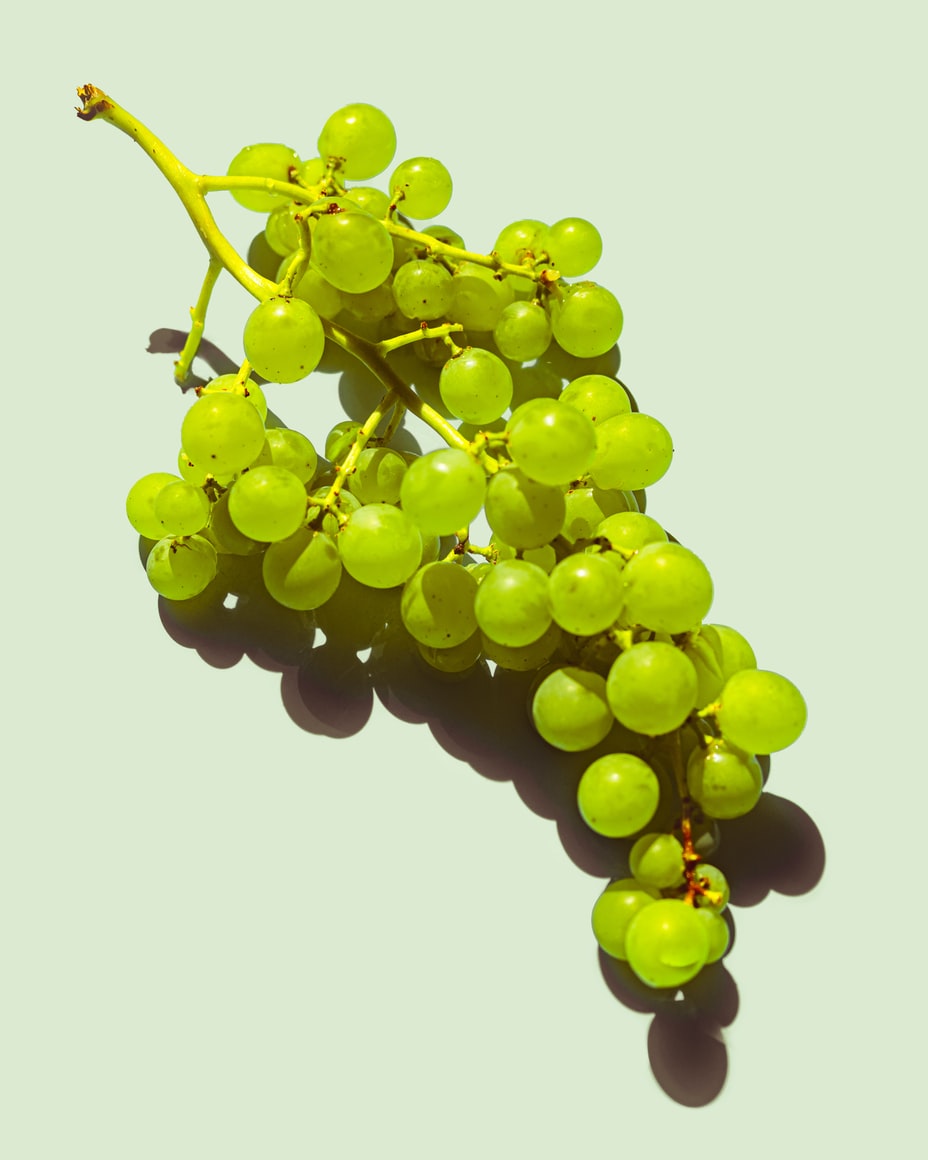
Grapes are a wonderful fruit and an excellent addition to fruit salads or a perfect side for a beautiful cheese plate. Low in fructose, but slightly high in sugar, grapes can be consumed in limited amounts. Nothing tastes better than a plate of delicious goat cheese, grapes and organic crackers.
13. Honeydew
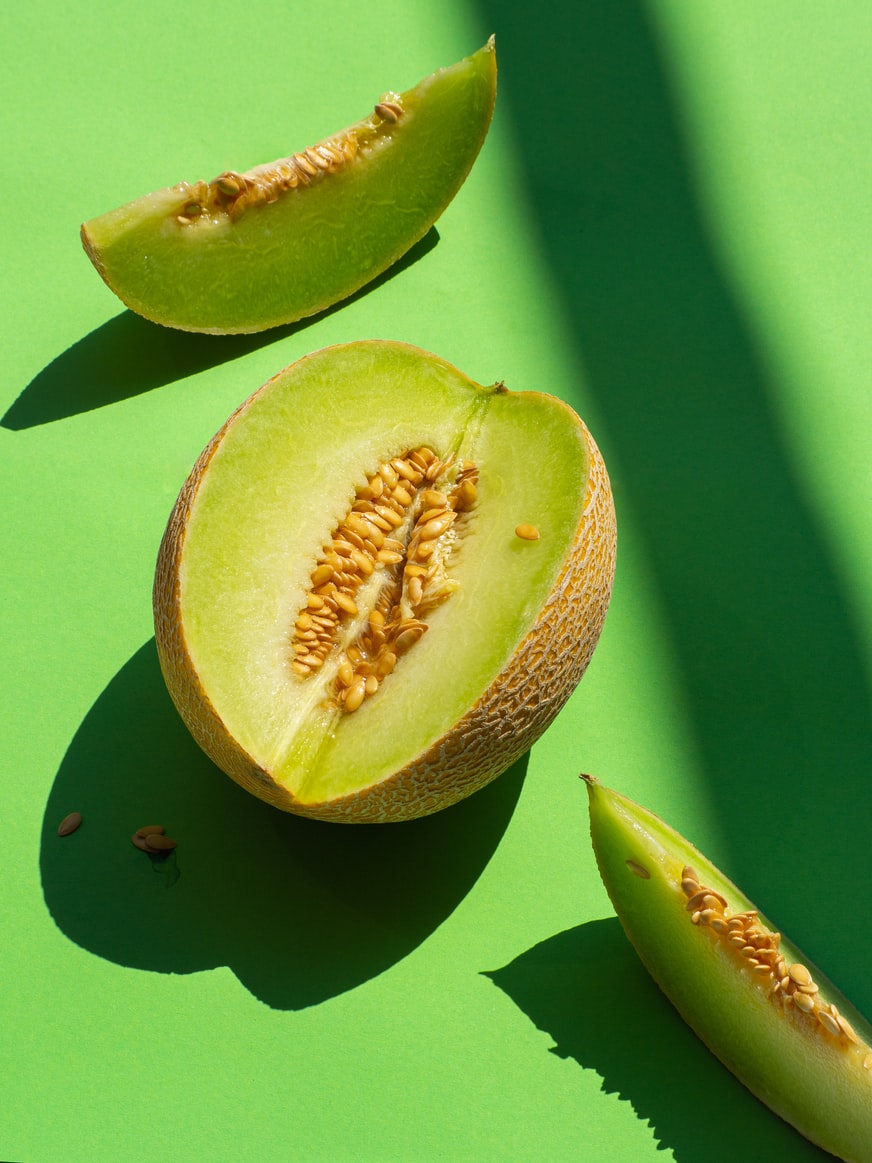
Rich in folate, vitamin K and magnesium, honeydew makes a perfect fruit that can benefit your bone health. Excellent in a fruit cup or on its own, it can also be paired with aged prosciutto for a fabulous starter or a full meal in its own right.
14. Pineapple
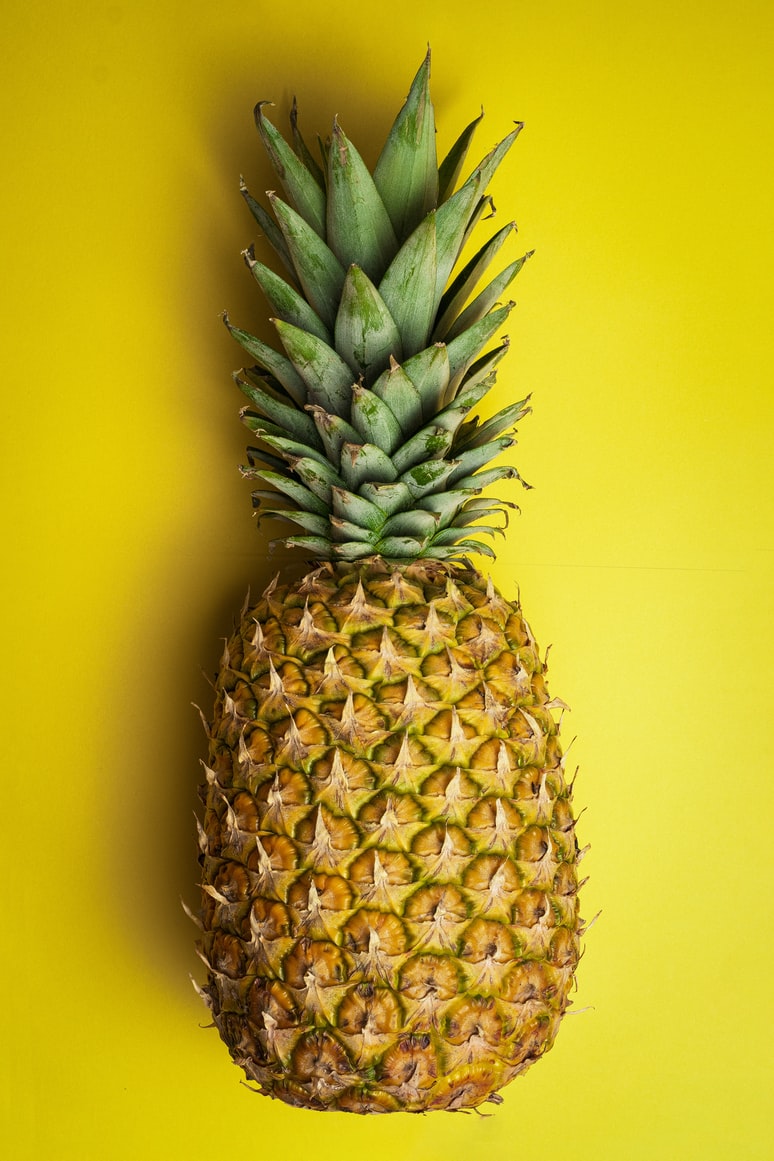
Extremely low in calories (only 82 gm per cup), pineapple is full of nutrients and helps your body fight inflammation, improves digesting, heals tissues etc. Perfect for complimenting the taste of sauteed chicken, pineapple makes great addition to fruit salads or can be enjoyed on its own.
It’s best to test the waters with all fruits and eat them one at a time to see how you react if you’re considering a low fructose diet. If you eat a low fructose diet, which of these fruits do you eat and/or avoid?
For a full list of low fructose diet, please consult the table below, please do take a look at the list of the fruit to avoid:
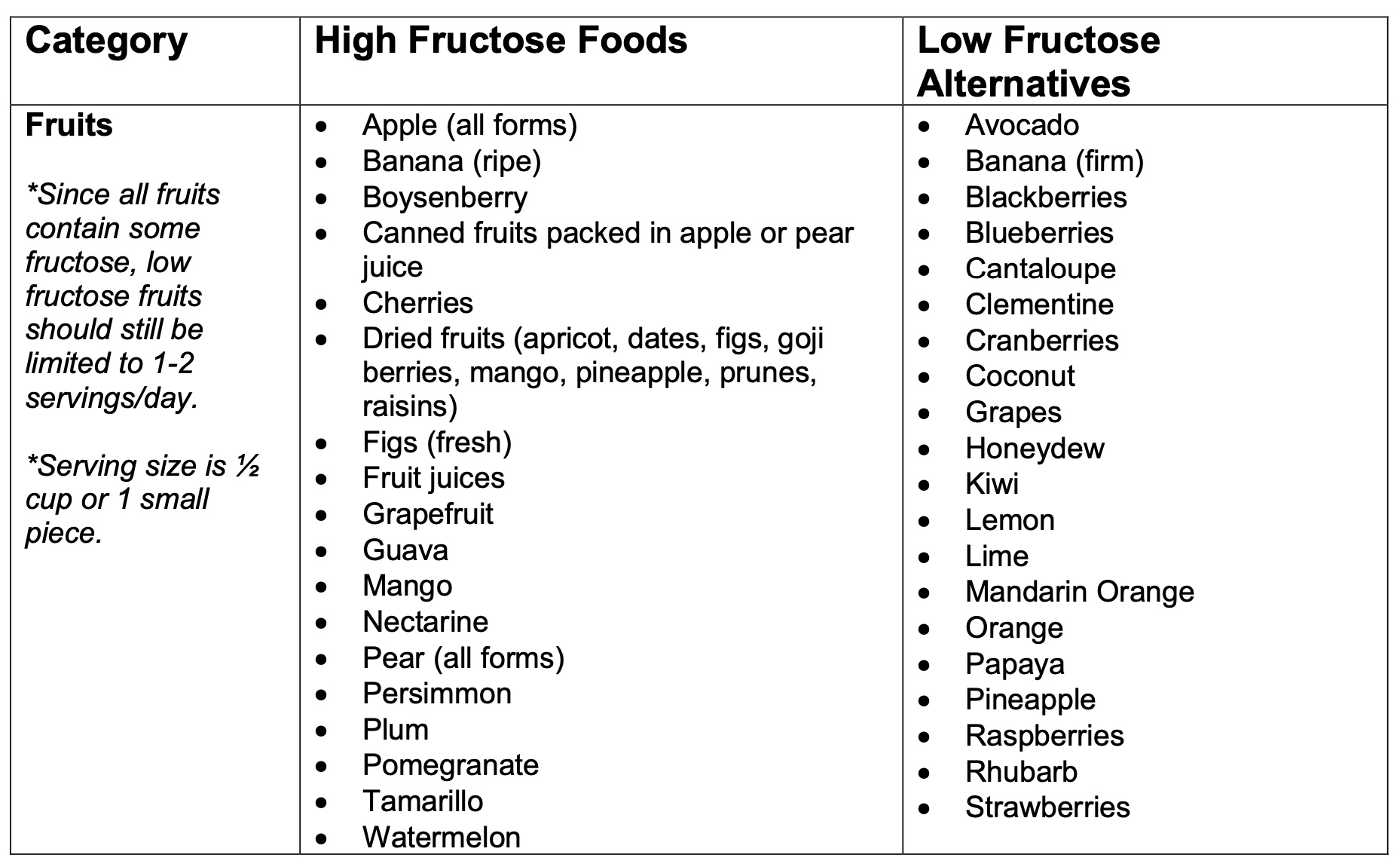
Sources : healthyeating.sfgate.com, medicine.virginia.edu, solbliss.com, sambazon.com
Frequently Asked Questions
- Why is a low fructose diet important for some individuals?
- A low fructose diet is important for individuals who have difficulty absorbing or metabolizing fructose, such as those with fructose malabsorption or hereditary fructose intolerance. Reducing fructose intake can help alleviate symptoms like bloating, abdominal pain, and diarrhea, and promote overall digestive health.
- What are some fruits that are low in fructose?
- Fruits that are low in fructose include berries (such as strawberries, blueberries, and raspberries), kiwi, grapefruit, lemon, lime, avocado, and green bananas. These fruits can be enjoyed by those on a low fructose diet without causing significant digestive distress.
- How can I incorporate low-fructose fruits into my diet?
- Incorporate low-fructose fruits into your diet by adding them to smoothies, yogurt, salads, or as a snack. You can also use them as natural sweeteners in baked goods or desserts, or add them to savory dishes for a burst of flavor. Be mindful of portion sizes and monitor your body's response to ensure you're not consuming too much fructose.
- Are there any fruits to avoid on a low fructose diet?
- On a low fructose diet, it's best to avoid fruits that are high in fructose, such as apples, pears, mangoes, cherries, and watermelon. Dried fruits, fruit juices, and certain fruit-based sweeteners like agave syrup and high-fructose corn syrup should also be limited or avoided.
- Can I still meet my nutritional needs on a low fructose diet?
- Yes, you can still meet your nutritional needs on a low fructose diet by incorporating a variety of low-fructose fruits, vegetables, whole grains, lean proteins, and healthy fats. It's essential to maintain a balanced diet and work with a healthcare professional or dietitian to ensure you're meeting your nutritional requirements while managing your fructose intake.
Quiz preview
Discover Your Ideal Fruity Preferences
Take this quiz to find out your fruit preferences based on a low fructose diet. Choose the options that best suit your tastes and discover which fruits are ideal for you.
What is your preferred flavor profile?
- A.Sweet and tropical
- B.Tart and tangy
- C.Mild and refreshing
- D.Rich and decadent
Take the full quiz →5 questions total.
Related articles
Popular searches
Browse categories